 Reedley Primary School
Maths

This year, the children will be woking on Red Rose Maths. It is important that each year group follows the correct strategy. These all link the Red Rose Maths. Please see the policies below for further information.
This term we are learning place value. Below I have included a place value chart,this is a great resource to help your child learn thir place value.
Maths Whizz.
We have a super resource called Math Whizz. Your child does have access to this and is now part of our homework. However, your child can visit Math's Whizz at anytime (strongly recommended) and practice their skills we have been learning in Year Five. The link is below.
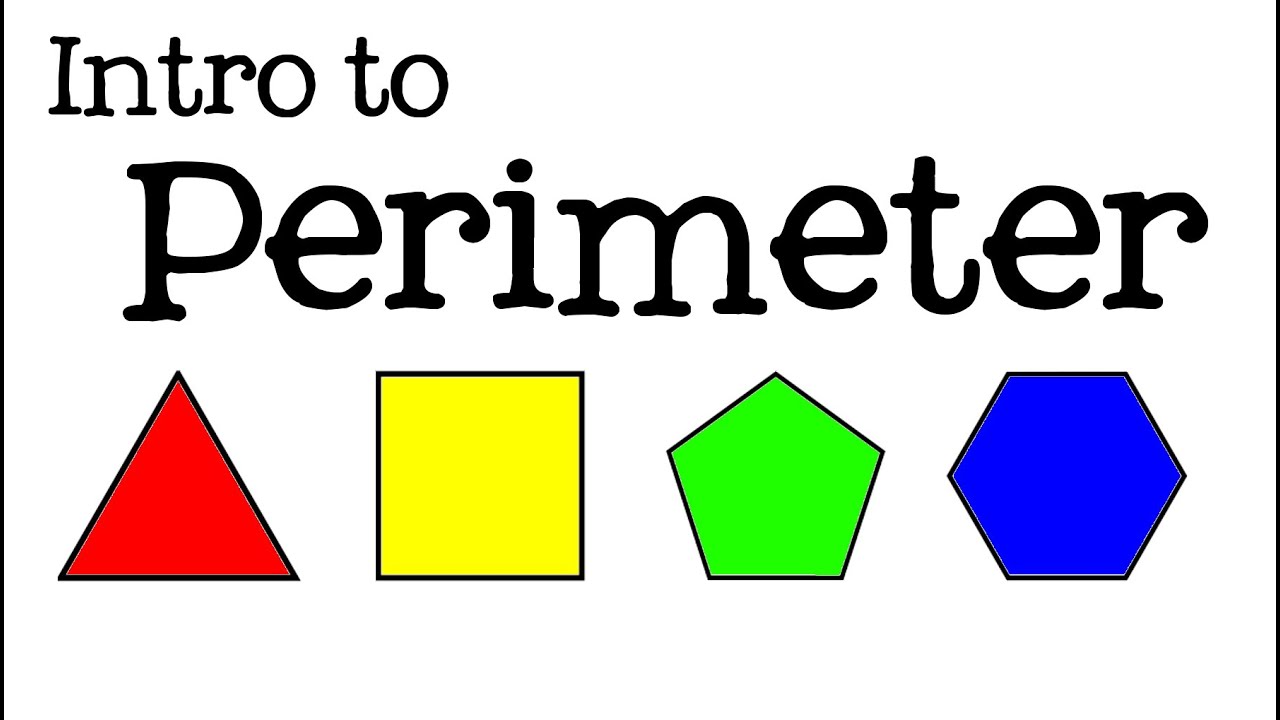


Perimeter is the distance around a two-dimensional shape.
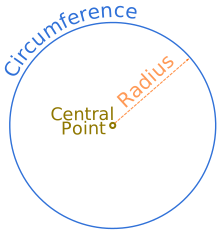
The perimeter of a circle is called the circumference:
Circumference = 2π × radius
How to calculate the area
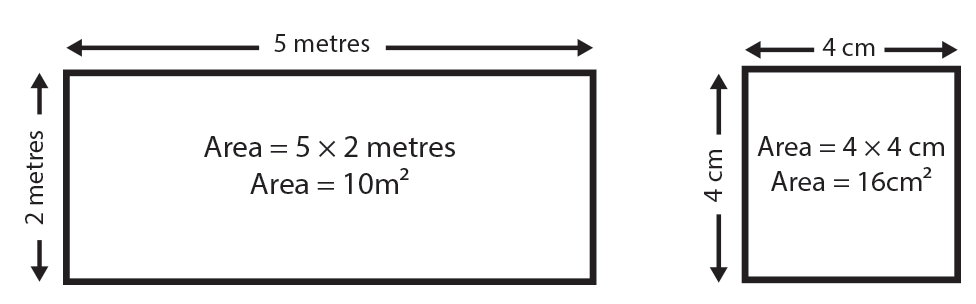
To work out the area of a square or rectangle, multiply its height by its width.
If the height and width are in cm, the area is shown in cm².
If the height and width are in m, the area is shown in m².
A square with sides of 5 man area of 25 m², because 5 × 5 = 25.
I
A parallelogram is a four-sided shape with two pairs of sides with equal length – by definition a rectangle is a type of parallelogram. However, most people tend to think of parallelograms as four-sided shapes with angled lines, as illustrated here.

The area of a parallelogram is calculated in the same way as for a rectangle (height × width) but it is important to understand that height does not mean the length of the vertical (or off vertical) sides but the distance between the sides.
From the diagram you can see that the height is the distance between the top and bottom sides of the shape - not the length of the side.

The area of the three triangles in the diagram above is the same.
Each triangle has a width and height of 3cm.
The area is calculated:
(height × width) ÷ 2
3 × 3 = 9
9 ÷ 2 = 4.5
The area of each triangle is 4.5cm2.
Ratios, fractions and percentages
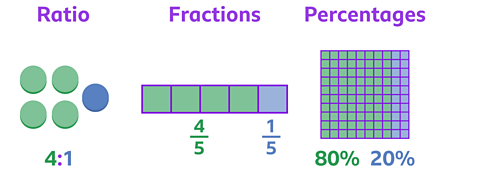
Fractions and percentages are both different ways to represent a whole.
Ratios compare two or more sizes or sets and show how they relate to each other.
There are ways of converting ratios to fractions and fractions to percentages.
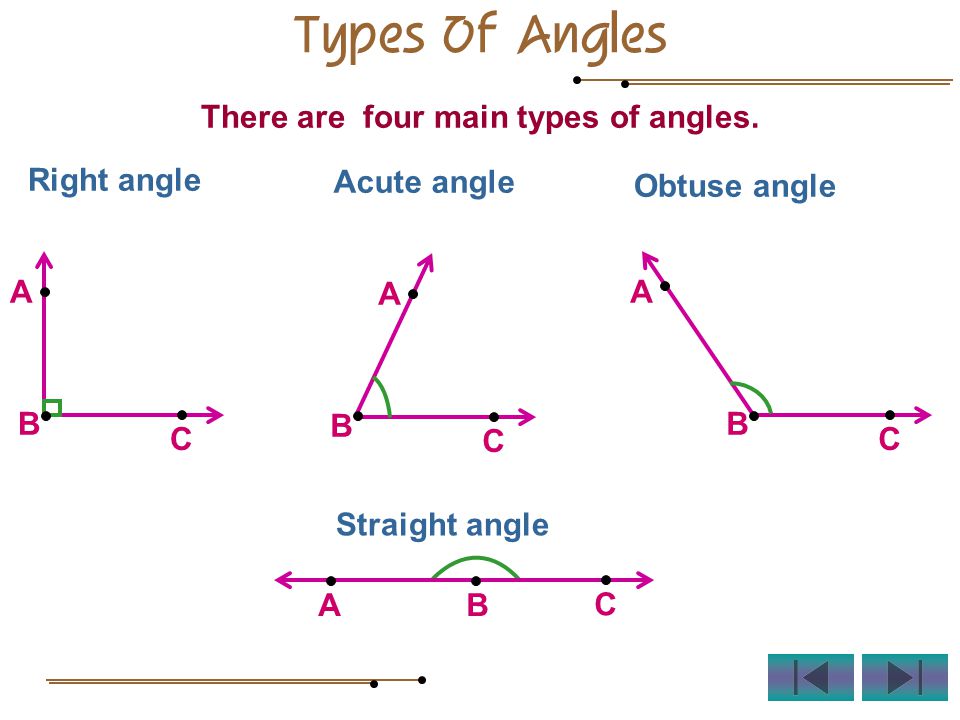

Well done everyone. You have remembered from our previous lessons and have shown great understanding.

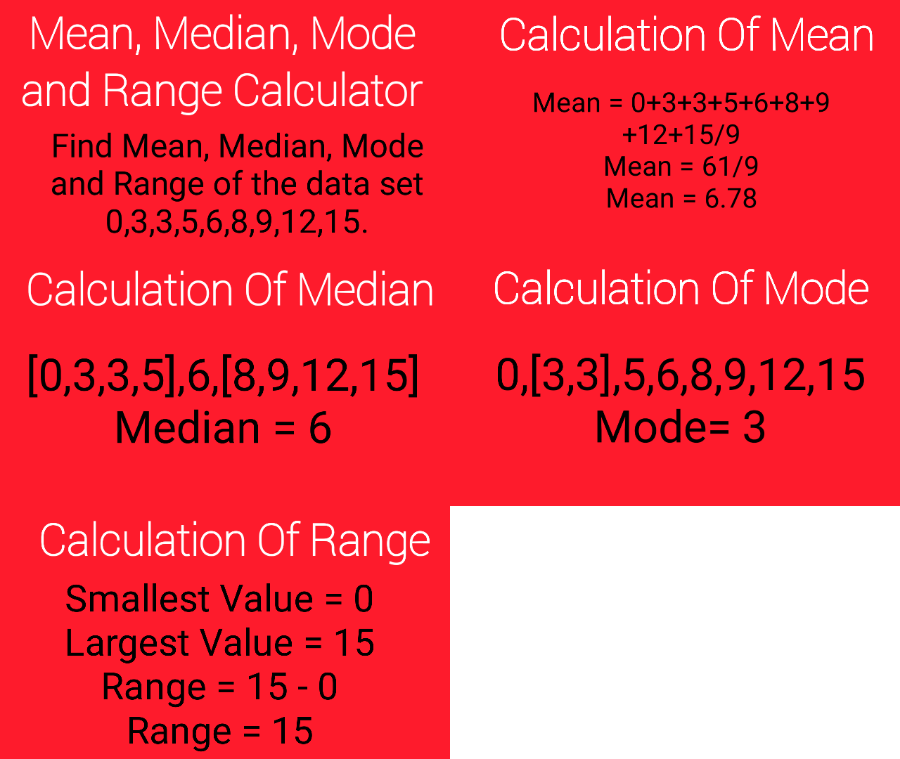
This week , the children will be looking at Mode, Median, and Range.
The mean, median, mode and range are defined as:
- Mean: the average, which is found by adding up all the values in a set of data and dividing it by the total number of values you added together.
- Median: the middle number in the set of values. ...
- Mode: the number or value, which appears most often in the set.
- Range: the difference between the lowest and the highest value.
This week the children are focusing on Roman Numerals.

This week the children have been focusing on Place Value.
Rounding Decimals
https://www.bbc.co.uk/bitesize/topics/zh8dmp3/articles/zwyrf82
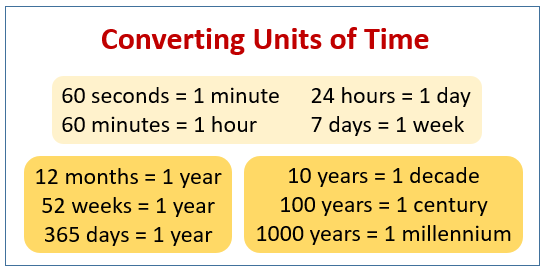
Converting Unit of Time
Metric Units www.bbc.co.uk/bitesize/topics/z4nsgk7/articles/zwbndxs
https://www.bbc.co.uk/bitesize/topics/z4nsgk7/articles/zqf4cwx

Imperial Units

The children have been working really hard in tackling division.