 Reedley Primary School
Science
The children have been busy in science this week. They looked at which materials would be best for a food preparation area and conducted a fair test to get results. they have used words such as flexibility, weight, transparency, expected absorbency to understand how to make the test fair.
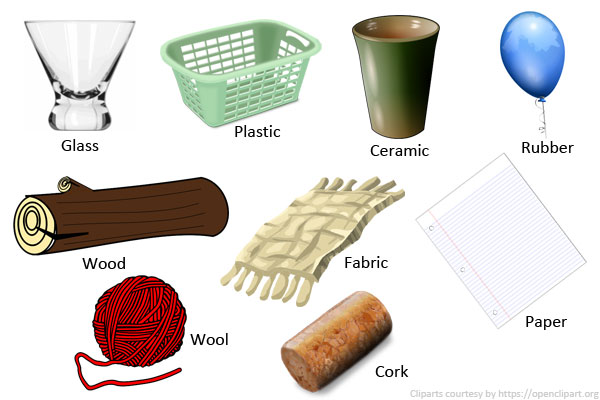
The children worked in groups and really enjoyed the experiments.
Soluble or insoluble?
Some substances dissolve when you mix them with water.
When a substance dissolves, it might look like it has disappeared, but in fact it has just mixed with the water to make a transparent (see-through) liquid called a solution.
Substances that dissolve in water are called soluble substances. When you mix sugar with water, the sugar dissolves to make a transparent solution. Salt is soluble in water too.
Substances that do not dissolve in water are called insoluble substances. When you mix sand or flour with water, they do not dissolve.
Quiz time
Which word describes substances that dissolve in water? Substances that dissolve in water are ‘soluble’.
Which of these materials is insoluble in water? It's ‘sand’ that is insoluble in water - it just sinks to the bottom.
Sugar ___ in water. Sugar ‘dissolves’ in water.
True or false: When a soluble substance such as salt dissolves in a liquid, it has disappeared. It’s ‘false'
What could you do to make a substance dissolve faster in water? You could ‘heat it up’ to make the substance dissolve quicker.