 Reedley Primary School
Maths

This year, the children will be working on Red Rose Maths. It is important that each year group follows the correct strategy. In the file section below,are all link the Red Rose Maths.
Here are our claculation policies:
Calculations-policy-addition.doc
Calculations-policy-division.doc
Calculations-policy-multiplication.doc
Calculations-policy-subtraction.doc
Mental-calculations-policy-addition-and-subtraction.doc
Mental-calculations-policy-multiplication-and-division.doc.docx
In Maths, we will be exploring the huge array of different problems that can be solved using mathematics.
We will ensure that children are confident using both formal written methods of calculation
but also mental arithmetic skills to solve questions quickly and easily.
We follow the Red Rose Maths teaching scheme, which includes fluency,
reasoning and problem solving activities.
This approach enables children to become secure in a topic,
as well as providing a suitable amount of challenge for differing abilities.
It is important that children have a firm grasp of all their times tables up to 12 x 12,
including the related division facts.
This will not only boost their confidence but also speed up both simple and more complex problem solving.
It also allows children to spot patterns.
Therefore, any help or practice you help you can give your children will be of great benefit.
Times Table Rockstars can really help with this!
Autumn 1
Place Value.
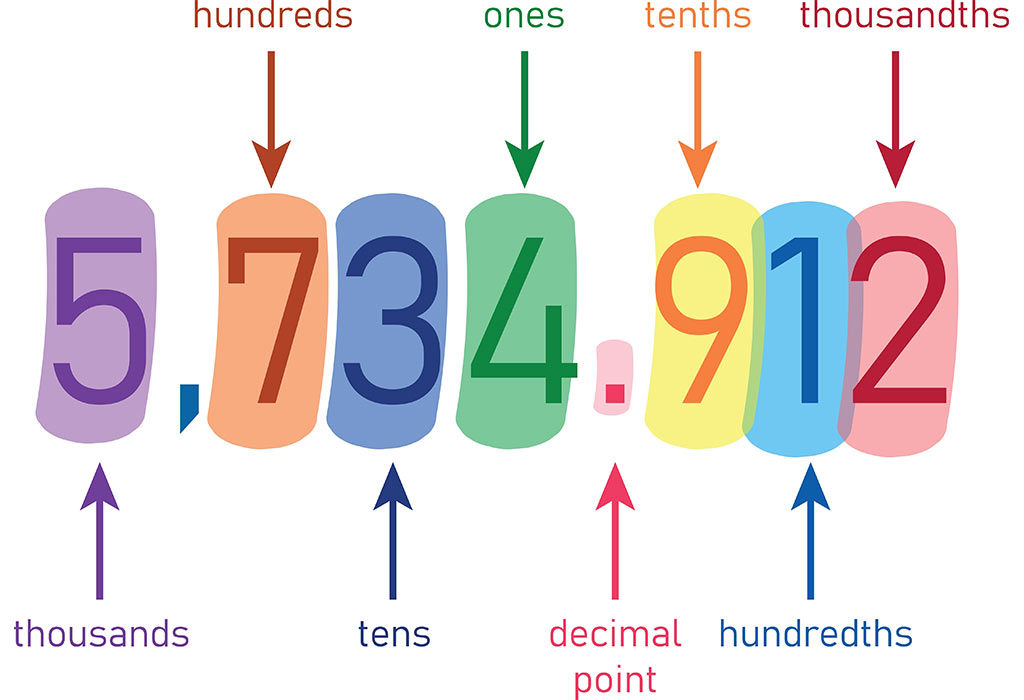

Below are some of the ways that the children have shown great understanding in Place Value.
Understanding: Children were able to explain that in 6,482,315, the digit 8 represents 80,000,
because its position is in the ten-thousands column using counters, grids and mental maths.
Using expanded form: Children showed how to represent 4,305,021 as
4,000,000 + 300,000 + 5,000 + 20 + 1 and explain why there are no hundreds
or tens of thousands.
Comparing numbers: The children compared 7,205,000 and 7,250,000,
identifying that 7,250,000 is greater because the digits in the ten-thousands place differ.
Rounding: The children were able to round 6,749,321 to the nearest million and
explain that it rounds to 7,000,000 because the hundred-thousands digit is 7


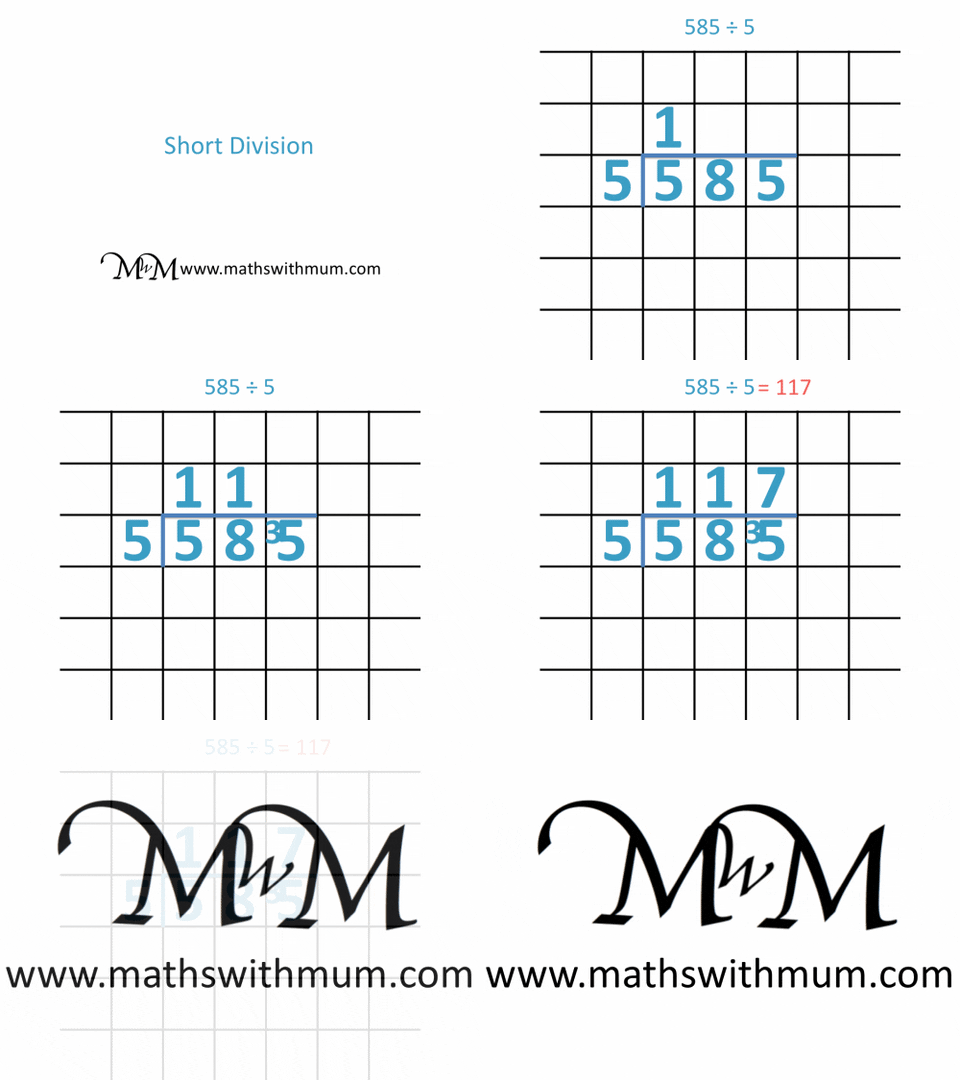
The children are looking at a different way to solve caluclation with the help of their previous knowledge of written methods.


Then they looked at solving the calculation with a numberline and also used a strategy called Compensate. It is used to simplify calculations by adjusting numbers to make them easier to work with, particularly in mental math.

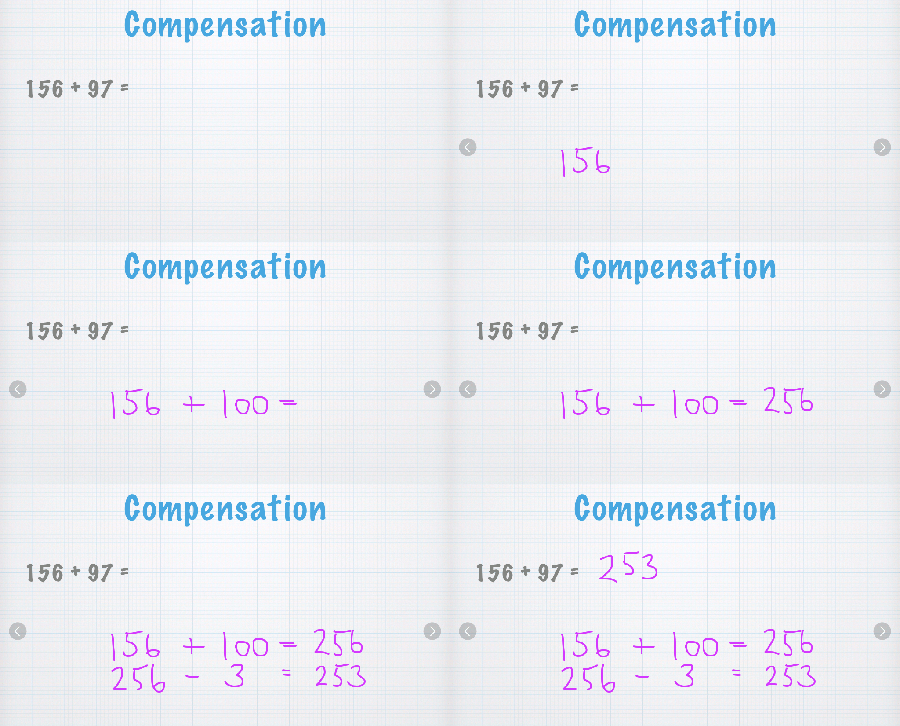
The children have had a busy week.




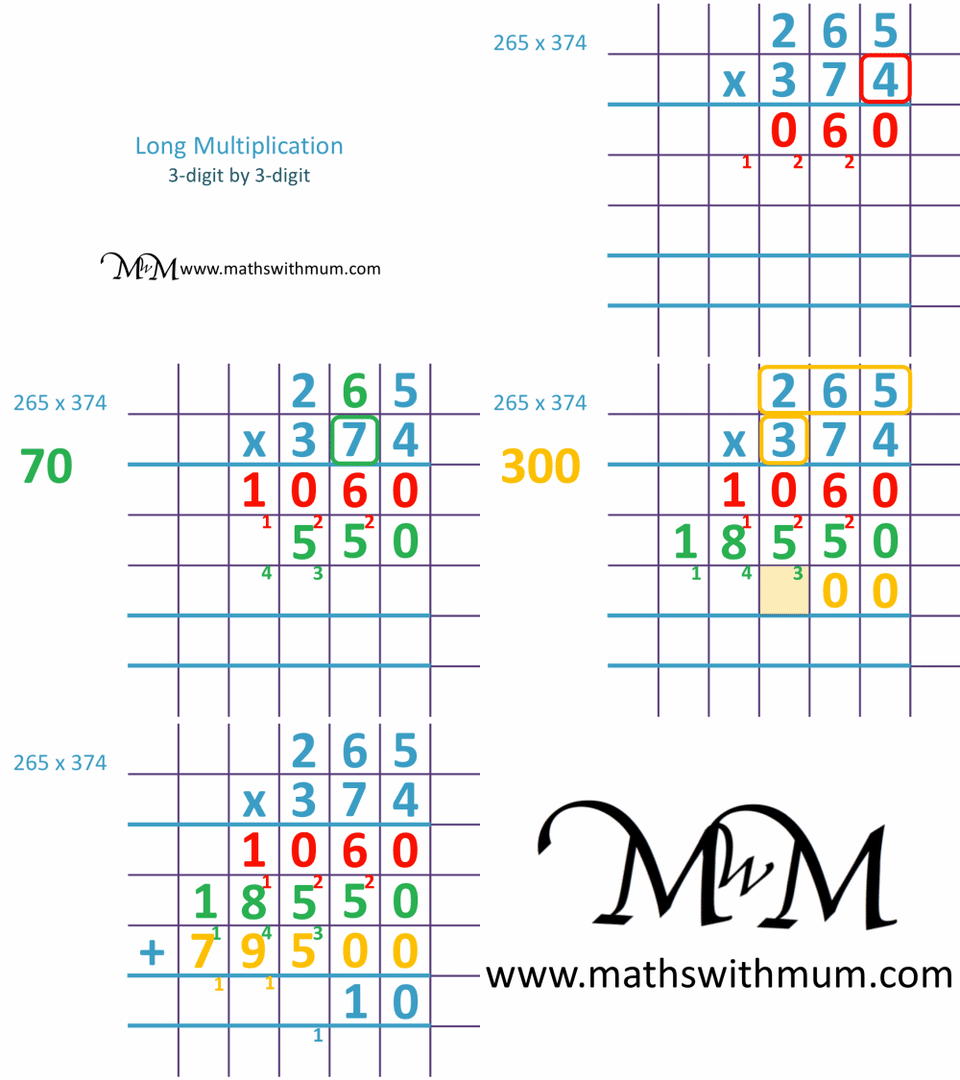
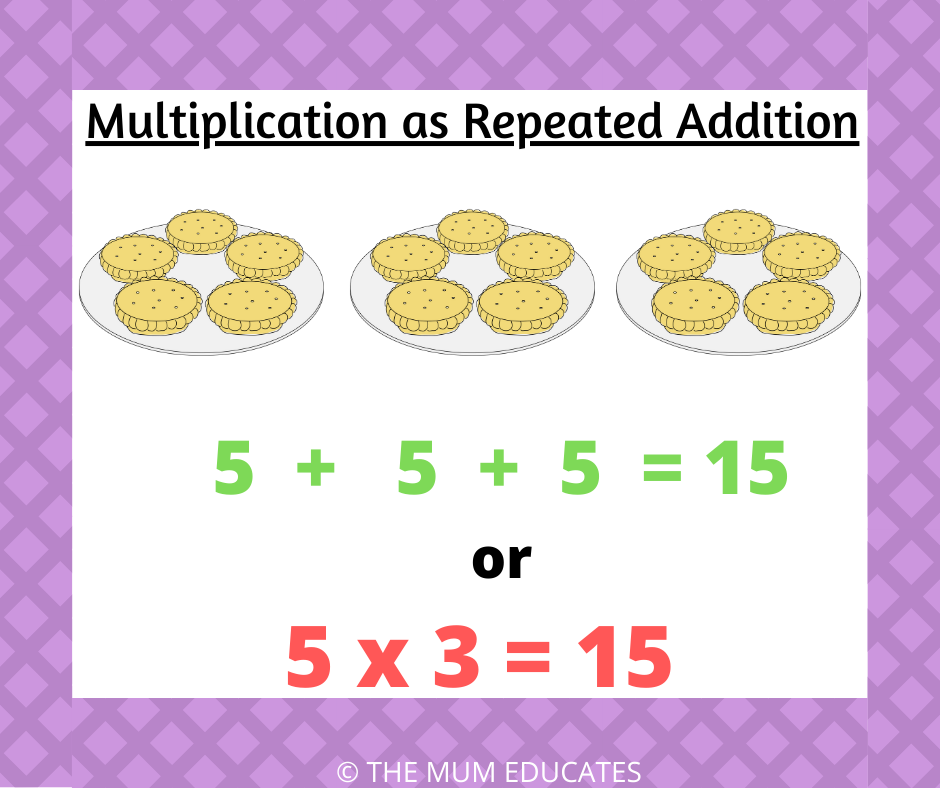

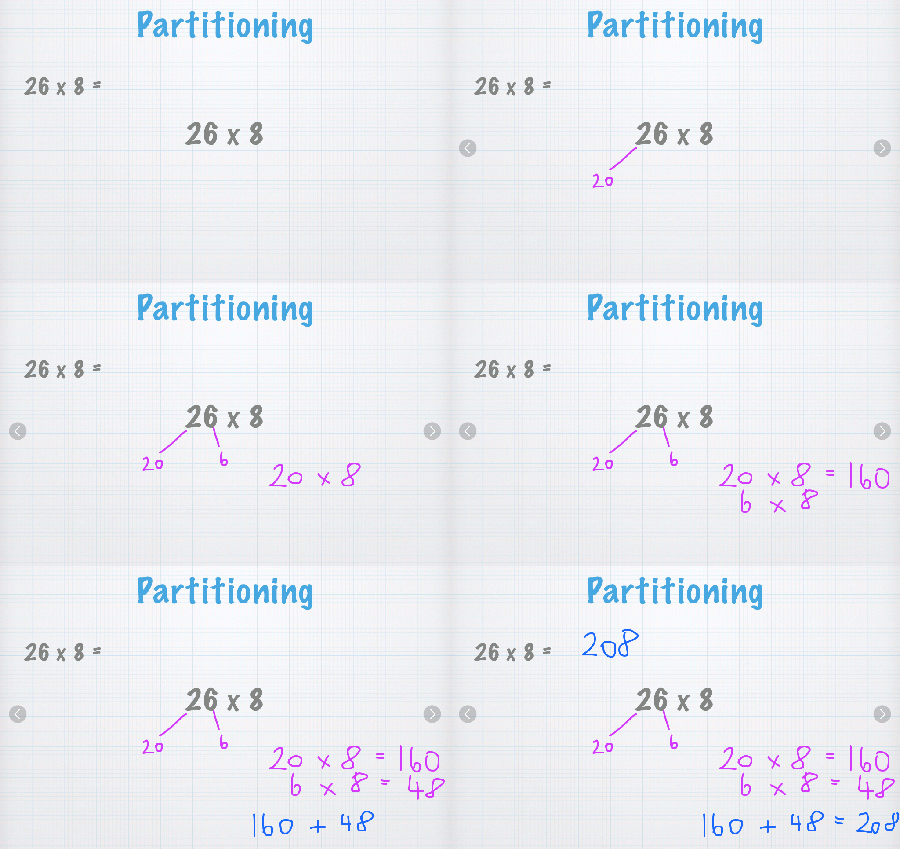
The children have been looking at multiplication this week. They have looked at different methods of calculating the answers wheather its grid method, partitioning, repeated addition or column method.



Autumn 2

For example:
40 is a common multiple of 4 and 5 because 4 x 10 = 40 and 8 x 5 = 40
Question
What are the first three common multiples of 3 and 4?
The multiples of 3 are 3,6,9,12,15,18,21,24,27,30,33,36...
The multiples 0f 4 are 4,8,12,16,20,24,28,32,36...
Look for numbers that appear in both lists (numbers the lists have in common).
The first three common multiples of 3 and 4 are12,24 and 36 .


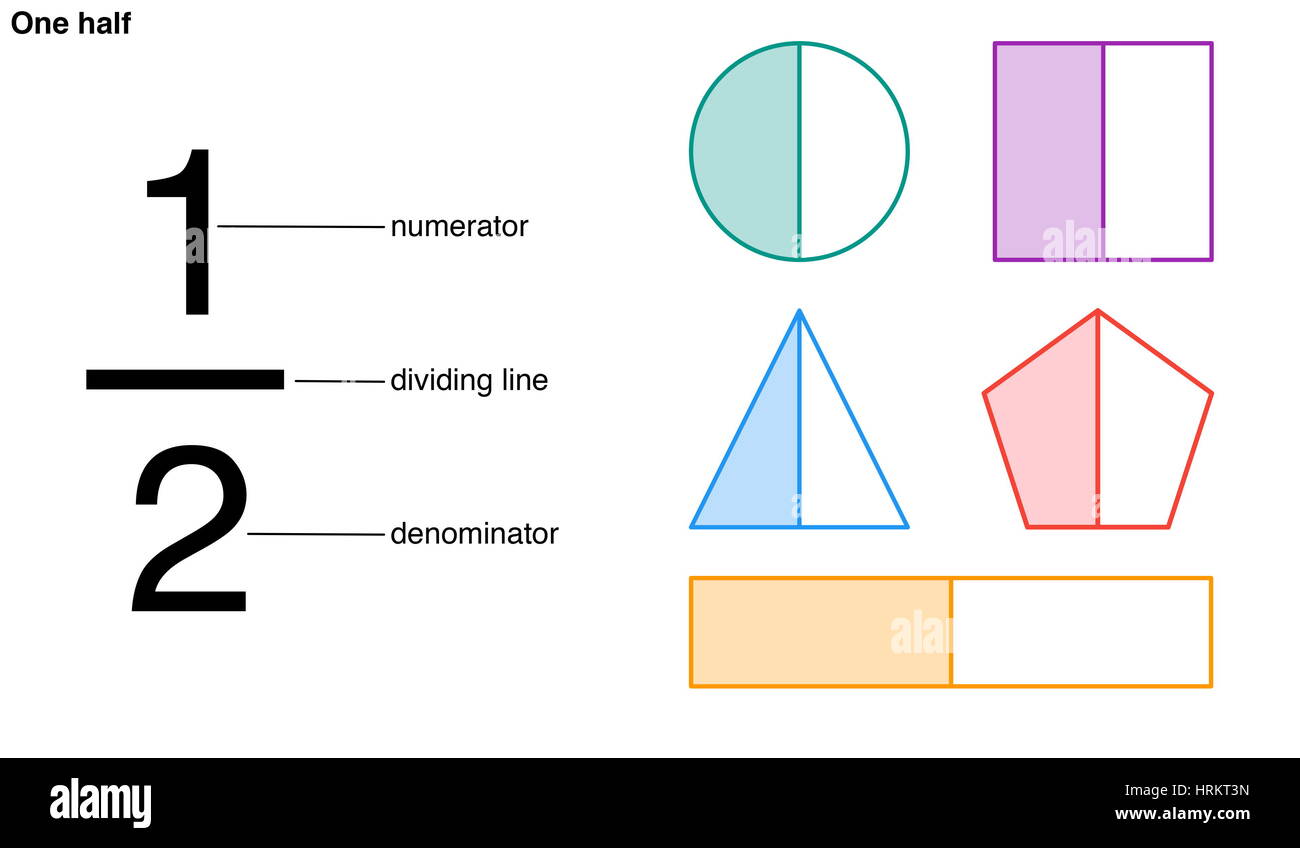
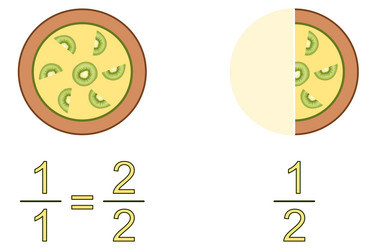
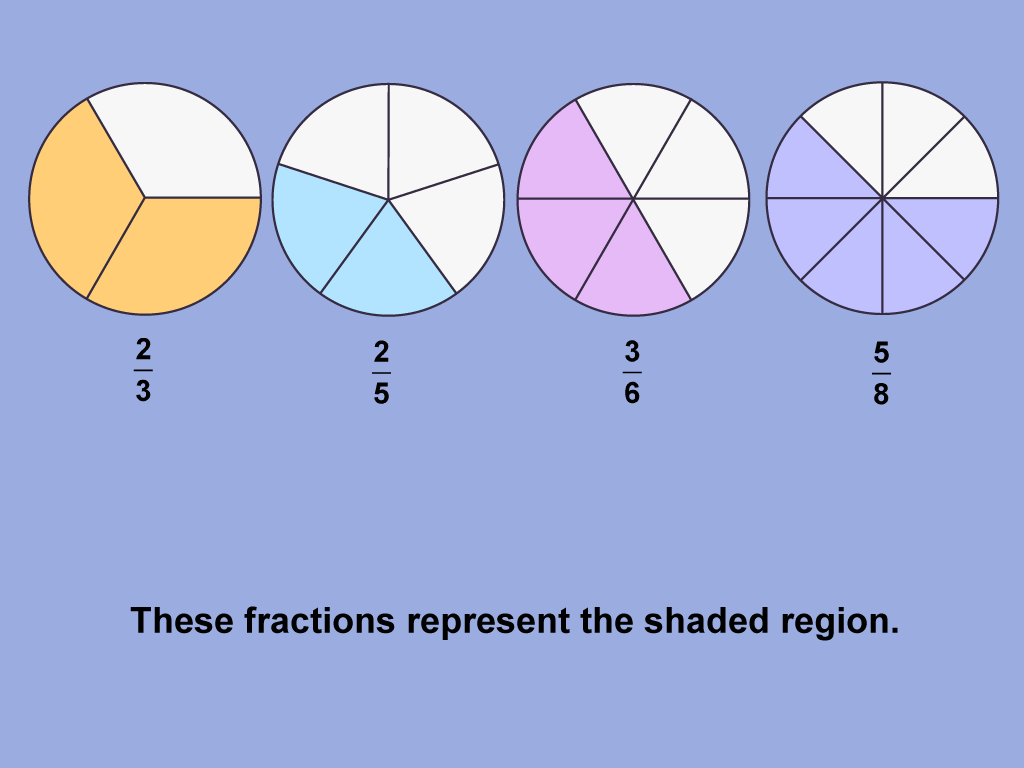
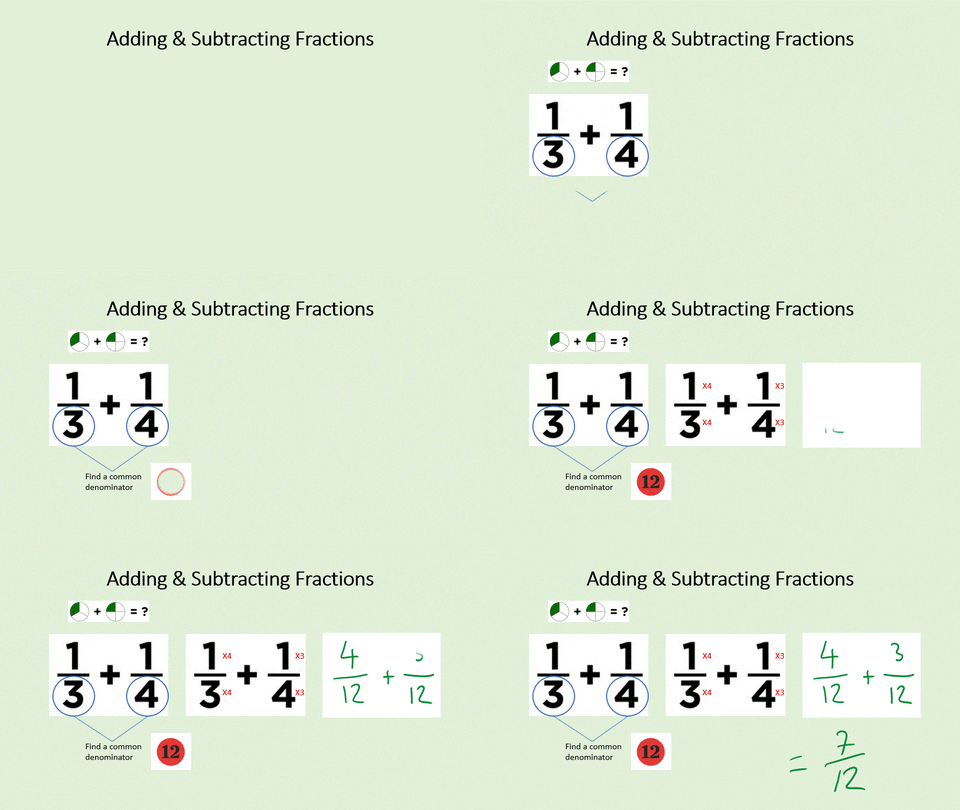
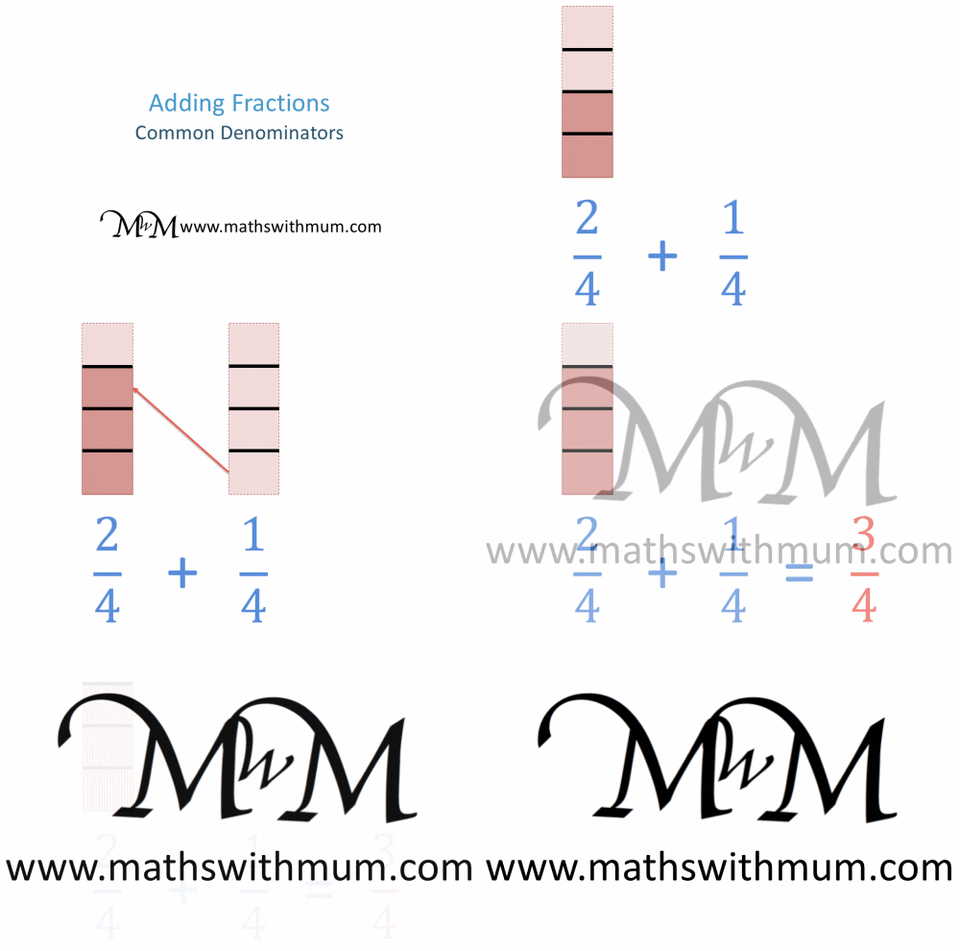
We then began to look at Fractions ( comparing, adding and subtracting ) with same and different denominators.


This week we looked at Algebra.
The children have been trying to calculate missing values by identifying similarities and differences.
They began by recognising the similarities and differences between given pieces of information.
Through identifying the similarities and differences, they then have the ability to see that the ‘difference’ affects the total.
It was tough to begin with but they persevered throughtout the week.


16.11.26
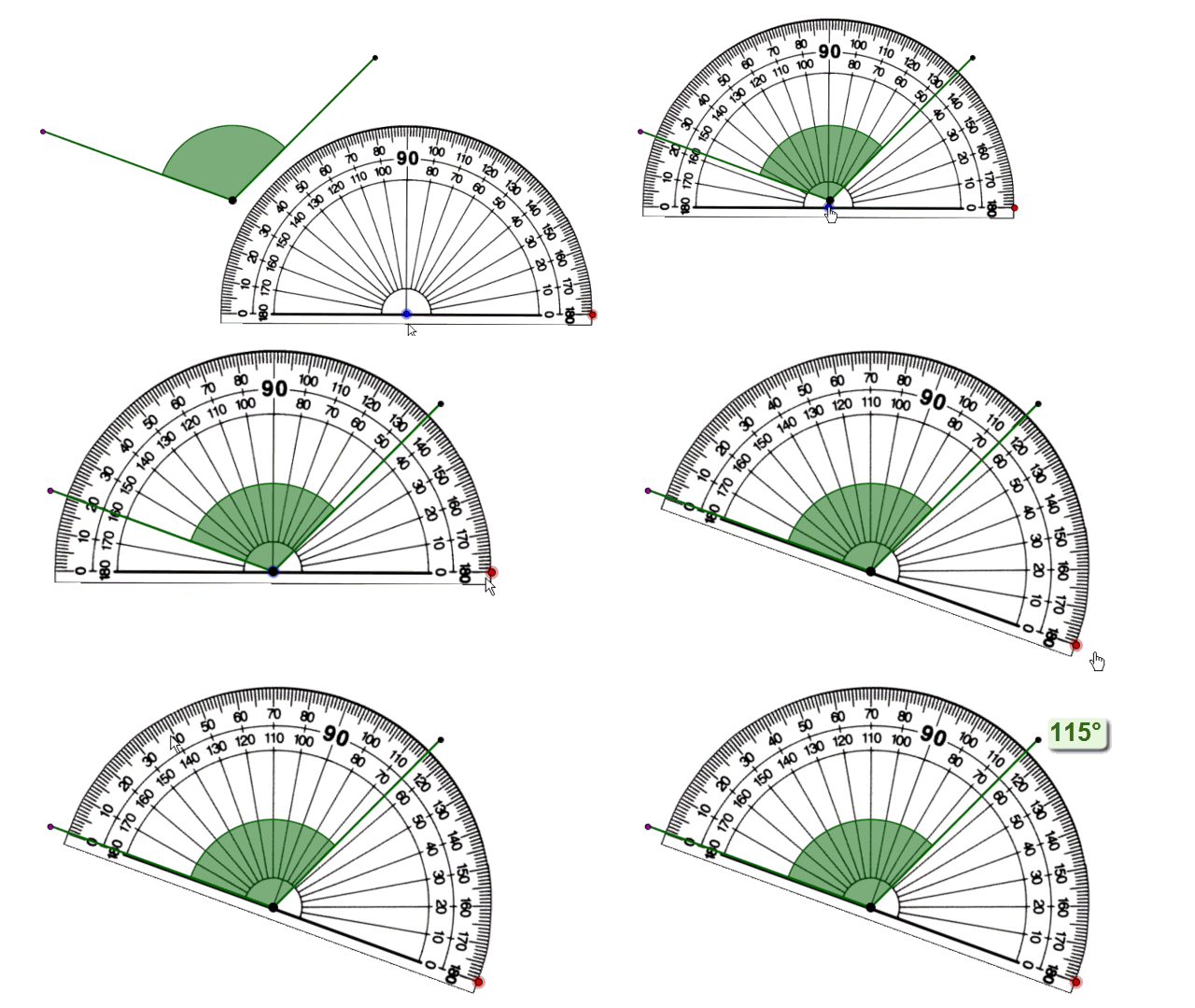
Different types of Angles

How to use a protractor to measure angles


.JPG](/uploads/378/images/IMG_5587[1](1).JPG)
.JPG](/uploads/378/images/IMG_5588[1](1).JPG)

26.11.26


.JPG](/uploads/378/images/IMG_8476[1](1).JPG)

.JPG](/uploads/378/images/IMG_8481[1](1).JPG)