 Reedley Primary School
Design Technology

Autumn 2
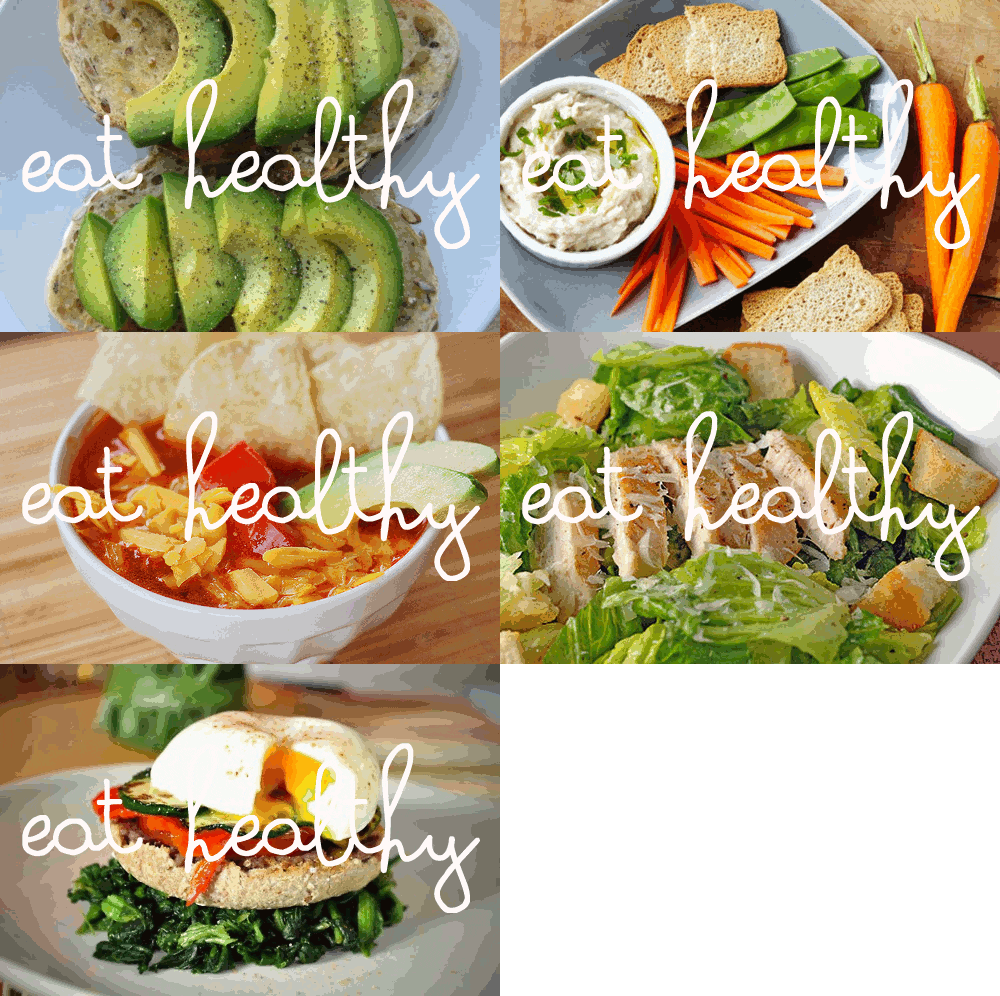
This term the class will be focusing on Healthy Eating.

This is a Eat well Guide.
It shows the proportions and types of food to eat to stay healthy.
We need to eat foods from each food group.
The Eat Well Guide shows all the foods - Meals and Snacks.
Key vocabulary
Food: nutrients, nutrition, gluten, dairy, allergy, intolerance, budget, savoury and sweet .
Below is the vocabulary, the children , will be looking into to get a greater understanding of what healthy eating is all about:
Nutrition - The act or process of nourishing or of being nourished; the use of food for life, health, and growth
Gluten - The tough, viscid, nitrogenous substance remaining when the flour of wheat or other grain is washed to remove the starch.
Dairy - Relating to or for milk, cream, butter, cheese.
Intolerance - Abnormal sensitivity or allergy to a food.
When you are looking at healthy options, you need to consider ALL food groups that provide vital minerals and vitamins to the human body.
Healthy snacks
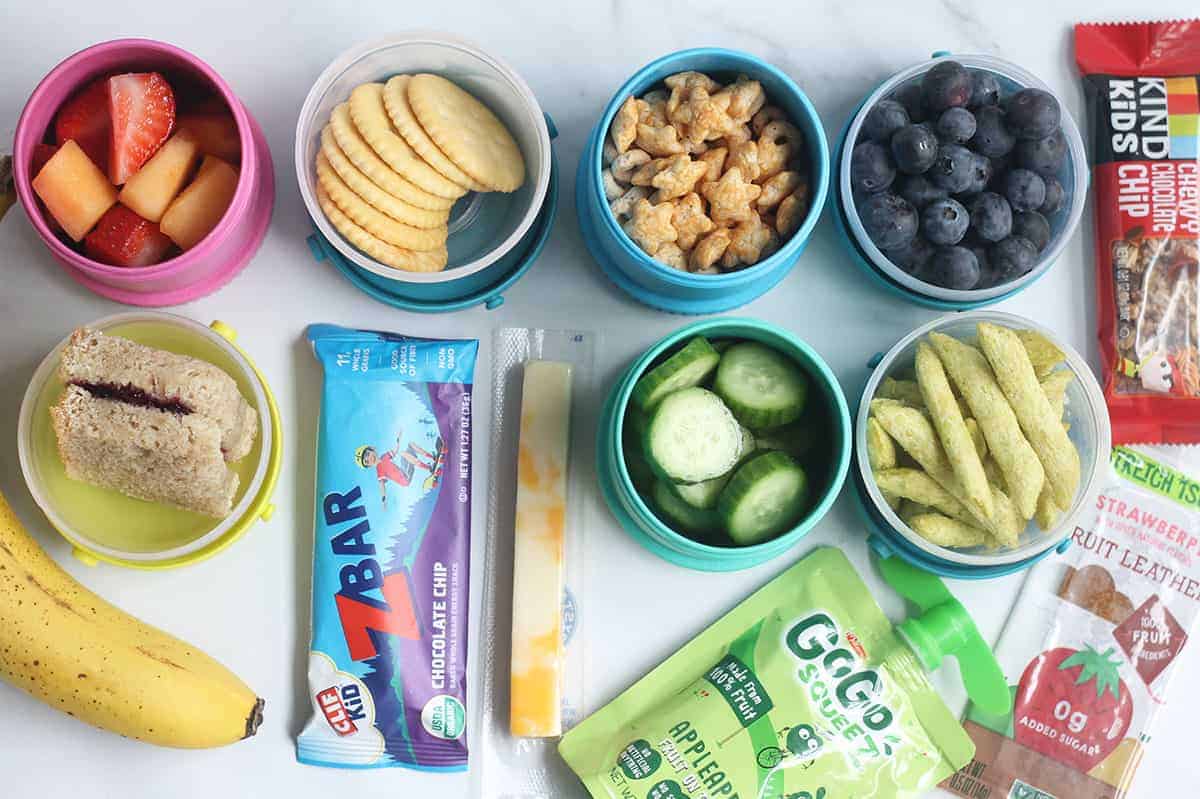


Our DT project is an ‘enterprise’ project.
Enterprise education in primary schools is an essential part of developing enterprising children.
It helps them understand the world of business and prepares them for future responsibilities and experiences.
In groups, the children wrote down things we could make to generate income (money).
They conducted market research to find out which product our consumers (customers) would be likely to purchase.
Market Research
Think: What sort of questions should we ask?
How could we record our results?
How could we display our results?
In pairs, the children researched recipes for the given snack and used supermarket websites to cost the ingredients.


In small groups, the children made their brownies.


.jpg)


Selling brownies.
Spring 2


Who was the key innovator Jules Carpentier? 
Jules Carpentier 1851 - 1921
- occupation:
- Electrical instrument maker, Engineer, Photographer
- Nationality:
- French
- Born in:
- Paris, Ville de Paris, Île-de-France, France
Jules Carpenter was the designer of the submarine periscope.
![IMG_6511[1].JPG](/uploads/378/images/IMG_6511[1].JPG)
![IMG_6512[1].JPG](/uploads/378/images/IMG_6512[1].JPG)
![IMG_6516[1].JPG](/uploads/378/images/IMG_6516[1].JPG)
![IMG_6517[1].JPG](/uploads/378/images/IMG_6517[1].JPG)
Summer 2
This term the children have been learning about Fairground rides. They looked at the history behind it and how popular they became as time went on.
They looked at the mechanism behind differnt rides such as:
- Ferris Wheel (Big Wheel) – A giant wheel with passenger cabins that gives great views.
- Carousel (Merry-Go-Round) – A rotating ride with beautifully decorated horses and other animals.
- Mini Train – A small train that takes children around the fairground.
- Tea Cups – Cups spin as they rotate around a central point.
- Helicopter or Aeroplane Ride – Small vehicles that move in circles and rise up and down.


Different fairground rides use different mechanisms (systems of moving parts) to make them work safely.


Ferris Wheel
- Mechanism: Electric motor, gears, and axle.
- The motor turns large gears, which rotate the giant wheel around a central axle.
- The passenger cabins stay upright because they pivot freely as the wheel turns.
|
Below are some of the mechism found and how they work:
|
| Gears | Change speed and direction of movement | Carousel, Ferris Wheel |
| Axle | Allows large wheels to turn | Ferris Wheel |
| Chain | Pulls or lifts part of the ride | Roller Coaster |
| Cables | Lift or support heavy loads | Drop Tower |
| Crank | Changes circular motion into up-and-down motion | Carousel horses |
| Cam | Creates repeated up-and-down movement | Carousel |
| Pendulum | Swings back and forth | Pirate Ship |
| Wheels | Allow smooth movement | Roller Coaster |
| Brakes | Slow or stop the ride safely | Roller Coaster, Drop Tower |
We then had a visit from The Lego Man who explained the techniques and method behind the rides.
They then got a chance to experiment and make they own fairground rides with lego. Once they complete that task, they connected it to the computer and got to control the movements of they creation.
![IMG_7394[1].JPG](/uploads/378/images/IMG_7394[1].JPG)
![IMG_7385[1].JPG](/uploads/378/images/IMG_7385[1].JPG)
.JPG](/uploads/378/images/IMG_7398[1](1).JPG)
![IMG_7430[1].JPG](/uploads/378/images/IMG_7430[1].JPG)
![IMG_7404[1].JPG](/uploads/378/images/IMG_7404[1].JPG)
![IMG_7420[1].JPG](/uploads/378/images/IMG_7420[1].JPG)
![IMG_7433[1].JPG](/uploads/378/images/IMG_7433[1].JPG)
![IMG_7435[1].JPG](/uploads/378/images/IMG_7435[1].JPG)
![IMG_7441[1].JPG](/uploads/378/images/IMG_7441[1].JPG)
![IMG_7410[1].JPG](/uploads/378/images/IMG_7410[1].JPG)
.JPG](/uploads/378/images/IMG_7436[1](1).JPG)